Astronomie • Richard Dern
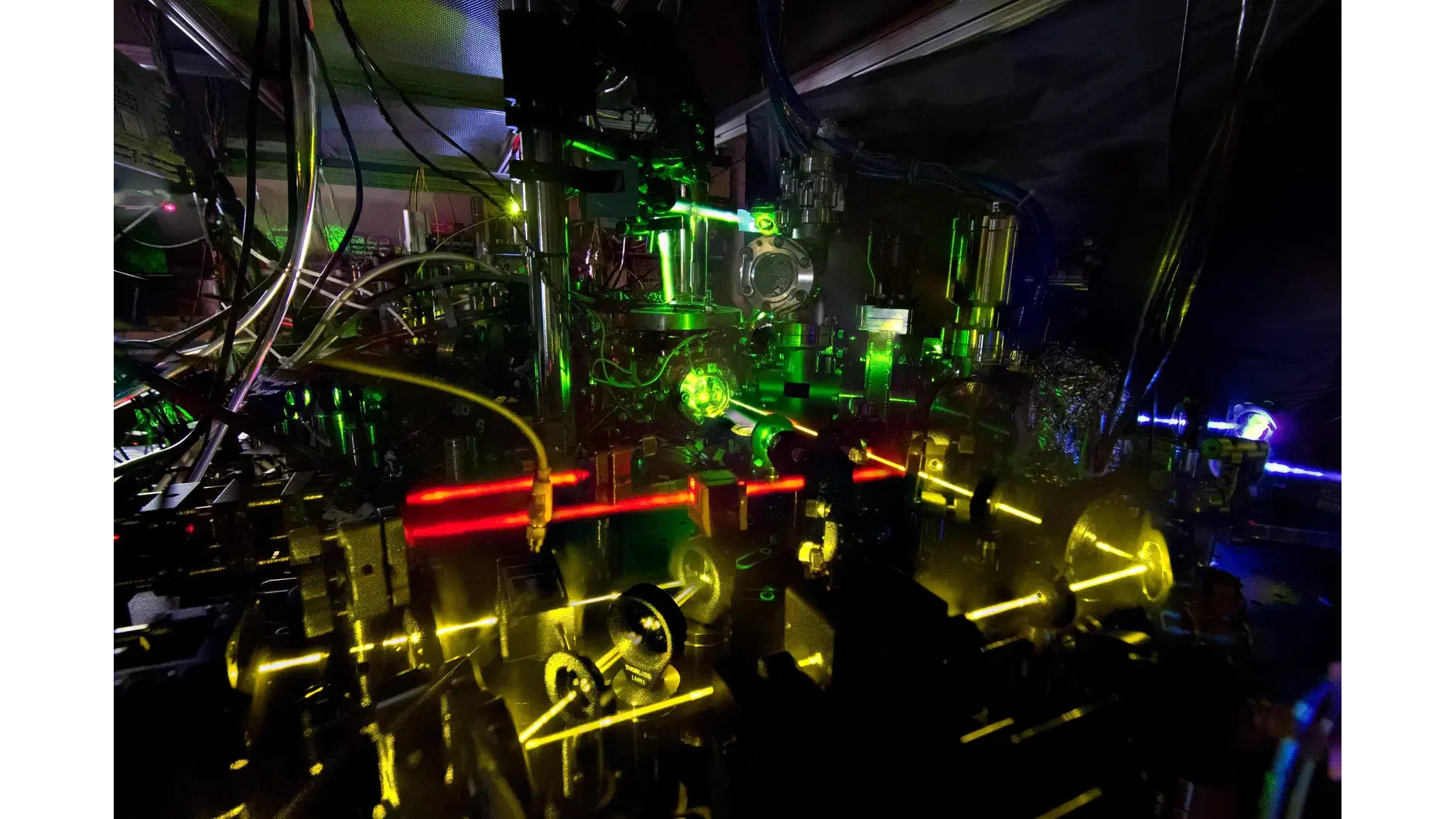
A ytterbium clock made by combined two atomic clocks for greater stability. The ytterbium lattice clock is able to stabilize itself much faster than other clocks. For more details see www.nist.gov
Attribution : N. Phillips/NIST
ATNS : Un système de notation temporelle universel
Introduction La représentation du temps repose aujourd’hui encore sur des conventions humaines profondément ancrées dans l’histoire de notre espèce. Qu’il s’agisse des calendriers, des secondes, des années, ou des ères …
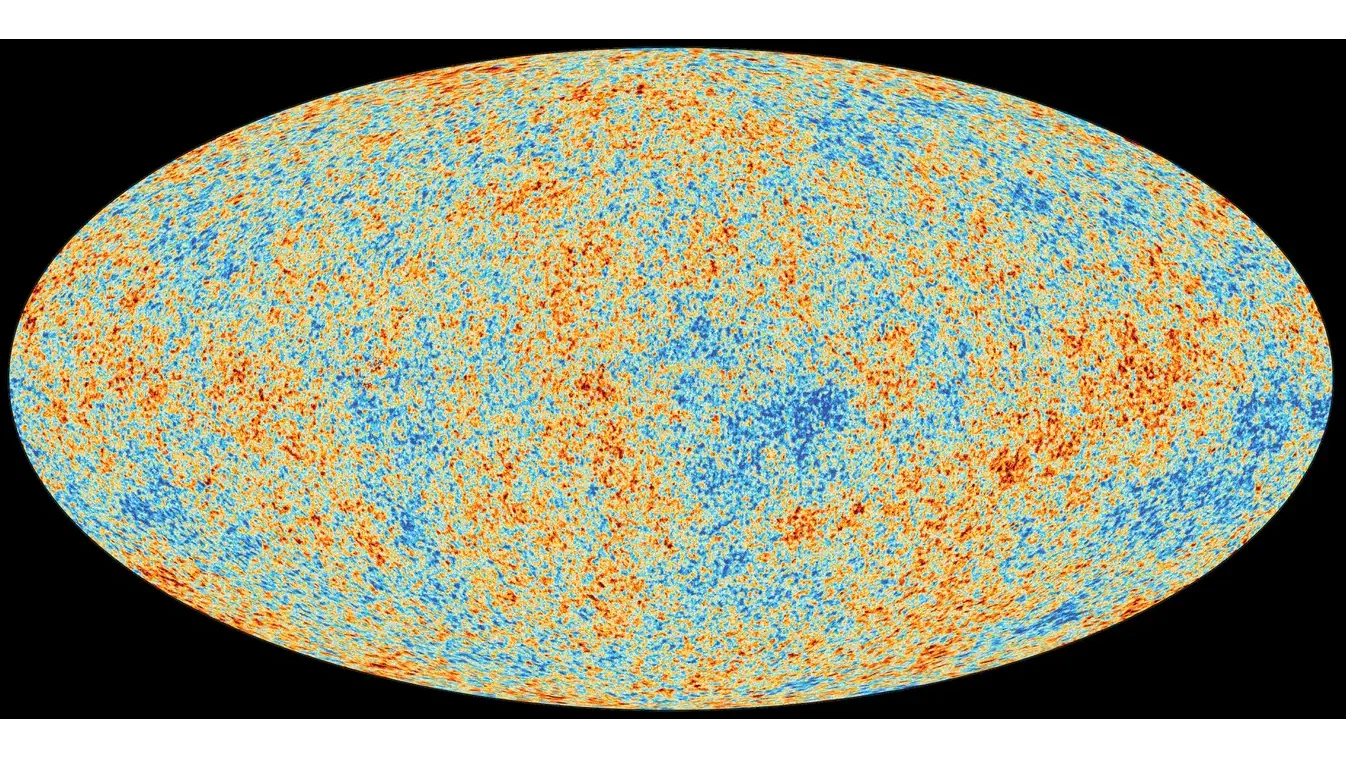
The anisotropies of the cosmic microwave background, or CMB, as observed by ESA’s Planck mission. The CMB is a snapshot of the oldest light in our cosmos, imprinted on the sky when the Universe was just 380 000 years old. It shows tiny temperature fluctuations that correspond to regions of slightly different densities, representing the seeds of all future structure: the stars and galaxies of today. This image is based on data from the Planck Legacy release, the mission’s final data release, published in July 2018.
Attribution : © ESA/Planck Collaboration
F3ID : Un sytème de coordonnées spatiales universel
Introduction Et si une civilisation extraterrestre voulait nous indiquer, de manière précise et intelligible, l’emplacement de sa planète d’origine ? Serions-nous en mesure de comprendre son message ? Ou plus précisément …